

If you are a commercial developer, restaurant group owner, or hospitality operator planning a major build-out, 2026 has brought a familiar operational headache back to the forefront: tariff volatility. For years, the default playbook for furniture, fixtures, and equipment (FF&E) procurement was straightforward: find the lowest unit price overseas, lock in bulk production in a single manufacturing hub, and ship containers across the ocean.
Today, that playbook is a fast track to budget overruns and delayed openings.
Smart developers are ditching single-country sourcing in favor of resilient, diversified supply chains. When sudden trade policy shifts or tariff hikes hit imported casegoods, seating, and architectural hardware, projects relying on one geographic region are left scrambling. At IFS Innovations, we work with developers every day who are pivoting toward multi-regional strategies and integrated single-source execution. Let’s look at why single-country sourcing is losing its appeal and how you can tariff-proof your next commercial build.
1. The Hidden Cost of Relying on a Single Sourcing Hub
When you source 100% of your restaurant booths, lobby seating, and guest room casegoods from a single overseas country, your budget is tethered to macroeconomic risks outside your control.
- Landed Cost Surprises: A seemingly minor adjustment in customs duties or Section 301 tariffs can instantly inflate your declared landed cost by 10% to 25%. If your FF&E budget was locked six months prior based on initial quotes, those extra duties eat straight into your contingency fund: or worse, your profit margin.
- Supply Chain Bottlenecks: Concentrated manufacturing means localized disruptions: whether port congestion, regional energy caps, or raw material shortages: halt your entire project pipeline.
- Inflexible Contracts: Standard vendor agreements in single-country supply chains often push 100% of tariff risk onto the buyer. If trade barriers go up overnight, you are forced to pay the difference or face months of costly delays while sourcing alternative manufacturers.
To avoid these pitfalls, leading hospitality and multi-family developers are mapping their tariff exposure down to the Harmonized System (HS) code and diversifying their supplier rosters.
2. The Multi-Regional Sourcing Shift: Balancing Cost and Risk
Diversification does not mean abandoning international manufacturing entirely. Rather, it means building a balanced portfolio of suppliers across domestic, nearshore, and select international partners.
By spreading your procurement across multiple regions, you create shock absorbers in your supply chain. If tariffs spike in one jurisdiction, your procurement team can pivot volume to a partner in a free trade agreement (FTA) zone or domestic facility without derailing your critical path schedule.
Furthermore, nearshoring final assembly or utilizing regional manufacturing hubs: such as partnering with suppliers under trade agreements like USMCA: allows developers to maintain competitive pricing while drastically reducing tariff exposure.
3. Custom Millwork and Local Fabrication as a Strategic Shield
One of the most effective ways to bypass imported FF&E tariffs is to incorporate custom millwork and local fabrication into your design strategy.

Instead of importing entirely finished casegoods and standardized modular furniture that sit squarely in high-tariff categories, smart developers are designing bespoke elements that can be built or finished closer to home.
- Bespoke Banquettes and Booths: Custom upholstery and woodworking built by local craftspeople eliminate ocean freight delays and protect against unexpected import duties.
- Architectural Millwork: Integrating architectural wall treatments, custom reception desks, and bar surrounds fabricated domestically or through trusted regional partners gives you complete control over quality and timelines.
- Material Agility: Local fabrication allows your design team to substitute tariff-heavy metal or hardware components with readily available, high-grade alternatives without compromising the aesthetic vision.
When you invest in custom millwork, you are not just enhancing the aesthetic value of your restaurant or multi-family common area: you are insulating your project from cross-border trade friction.
4. Leveraging Special Customs Programs and FTZs
If your project requires specialized components that must be imported from overseas, navigating trade compliance tools is essential to minimizing your financial exposure.
Experienced developers and procurement leads utilize mechanisms such as Foreign Trade Zones (FTZs) and bonded warehouses. These programs allow you to import, store, and process commercial furniture and fixtures while deferring or reducing duties until the items officially enter domestic commerce.
Additionally, conducting a thorough HS classification audit with customs counsel can ensure you are not overpaying duties due to misclassified FF&E items. Many developers discover that minor adjustments to product descriptions or component breakdowns legally qualify their shipments for lower tariff brackets.
5. Streamlining FF&E and Construction Under One Roof
Tariff-proofing is as much about operational structure as it is about logistics. When FF&E procurement, architectural millwork fabrication, and general construction are managed by siloed subcontractors, communication breaks down, and tariff shocks turn into finger-pointing.

This is why the single-source development model has become the gold standard for savvy commercial developers. Having one team, one contract, and one accountable partner from initial concept to final installation changes everything:
- Early Procurement Integration: Bringing your procurement specialists into schematic design workshops ensures that tariff risk is addressed on day one, long before purchase orders are signed.
- Value Engineering: A unified team can quickly pivot specifications if a specific material or imported fixture experiences sudden tariff volatility, proposing design-approved alternatives that keep budgets intact.
- Accountability: With a single partner managing everything from structural build-outs to custom furniture placement, you eliminate the friction between general contractors and furniture vendors.
Explore our comprehensive approach across our Services Page to see how integrated management safeguards your project timeline and budget.
6. Securing Commercial Kitchen Equipment and Fixtures
Tariff exposure isn't limited to dining room chairs and lobby sofas. Commercial kitchens, bars, and hospitality back-of-house operations rely heavily on specialized equipment, stainless steel fabrication, and high-performance LED lighting fixtures.
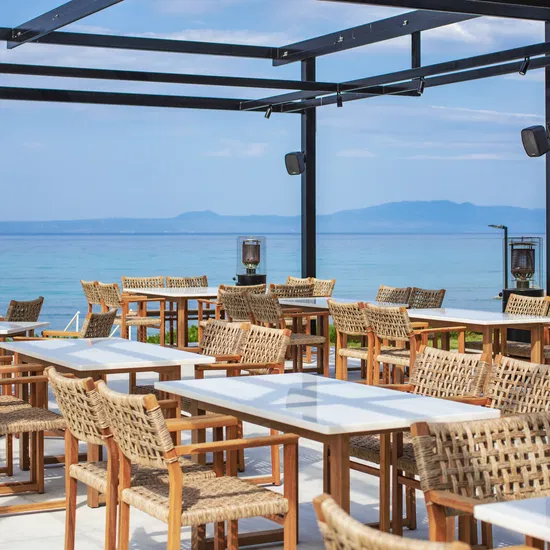
When sourcing commercial restaurant equipment, relying on a single overseas manufacturer for custom stainless steel cooklines or refrigeration units can leave kitchen build-outs stranded if trade restrictions tighten. Sourcing durable, efficient equipment through established domestic and international networks ensures your kitchen gets operational on schedule.
Similarly, investing in high-performance, energy-efficient LED lighting certified to global standards through a trusted single-source provider prevents costly compliance delays during final inspections.
7. A Practical Roadmap to Tariff-Resilient FF&E in 2026
If you want to protect your upcoming commercial developments, hospitality build-outs, or multi-family amenity spaces from trade volatility, take these actionable steps today:
- Audit Your Current Pipeline: Review active project pro formas and calculate your exact tariff exposure across all major FF&E categories.
- Diversify Your Supplier Base: Build relationships with secondary and tertiary suppliers outside your primary sourcing region.
- Embrace Domestic Customization: Maximize the use of local custom millwork and fabrication for architectural features and seating.
- Partner with a Single-Source Expert: Consolidate your build, FF&E procurement, and installation under one accountable team.

Final Thoughts
Tariff-proofing your FF&E isn't about predicting every shift in global trade policy: it's about building flexibility and accountability directly into your project strategy. By moving away from fragile single-country supply chains and embracing diversified sourcing, custom millwork, and single-source project management, you can protect your margins and deliver exceptional commercial spaces on time.
Ready to bulletproof your next hospitality, restaurant, or multi-family project? Take a look at our Project Portfolio to see our work in action, or Contact Us Today to start a conversation with our team.